Top 10 Platform Engineering Tools for 2026
Explore the top 10 platform engineering platforms for 2026 that streamline DevOps workflows, boost automation, and enhance scalability. Find the best tools for modern infrastructure management today!
Explore the top 10 platform engineering platforms for 2026 that streamline DevOps workflows, boost automation, and enhance scalability. Find the best tools for modern infrastructure management today!

Discover the top 7 platforms for ephemeral environments in 2026, including tools like Bunnyshell, Gitpod, and Kubernetes. Automate, scale, and improve collaboration in modern development workflows.

For a more robust and scalable way of deployment, transitioning docker compose production environments to Kubernetes ensures greater reliability.

Discover what DevOps pros truly mean when they talk about Kubernetes (K8s). From scalability and automation to multi-cloud flexibility, explore why K8s is a cornerstone of modern infrastructure management.
Platform engineering is emerging as the key to unlocking scalability and innovation. While Site Reliability Engineering (SRE) focuses on maintaining system reliability, platform engineering enables self-service capabilities and automated workflows that empower development teams. This shift is helping companies like Cisco streamline operations and drive faster releases. Discover why platform engineering is becoming the new standard for tech companies and how it benefits both developers and organizations in this evolving landscape.
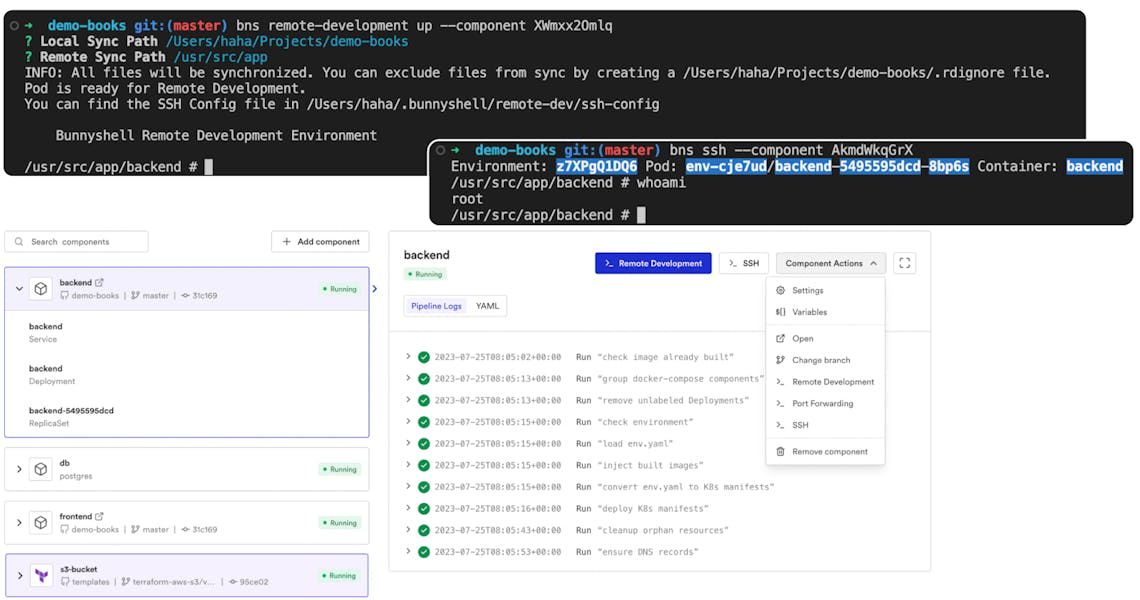
Bunnyshell, with its ability to automate ephemeral environments, emerges as a powerful solution to accelerate cloud-native development. This article explores how Bunnyshell can revolutionize your development processes, improve team productivity, and become the future of cloud-native development.
In the highly regulated world of institutional finance, efficiency and security are paramount. "SaaS Product for Institutional Finance," a leading service provider in this niche, faced significant challenges with their development and testing processes. This case study explores how they leveraged Bunnyshell's ephemeral environments to revolutionize their workflows, resulting in remarkable improvements in speed, efficiency, and developer satisfaction.
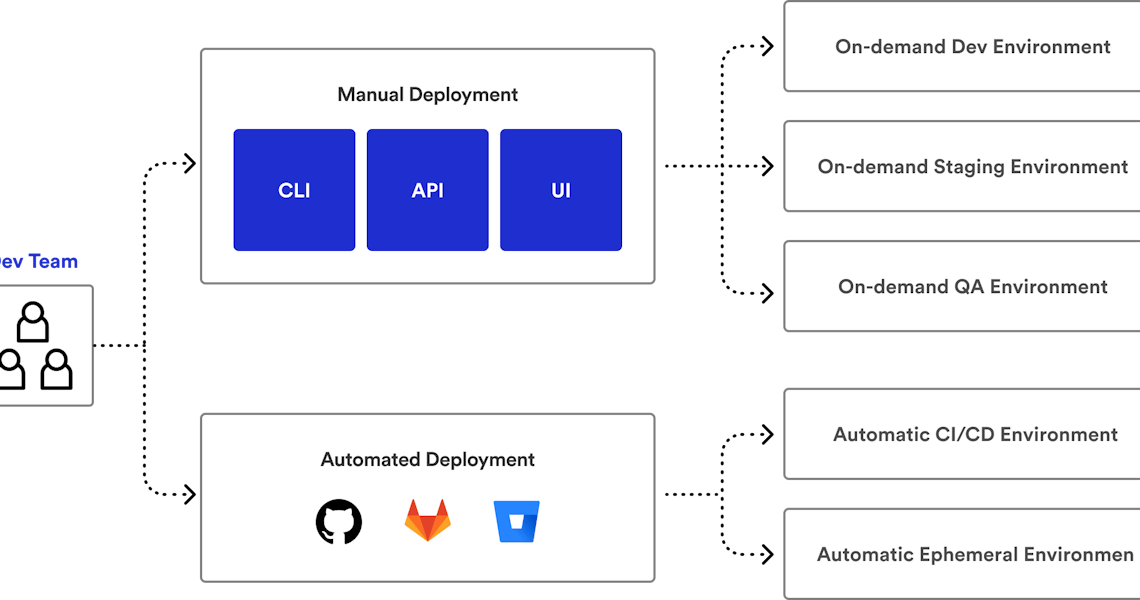
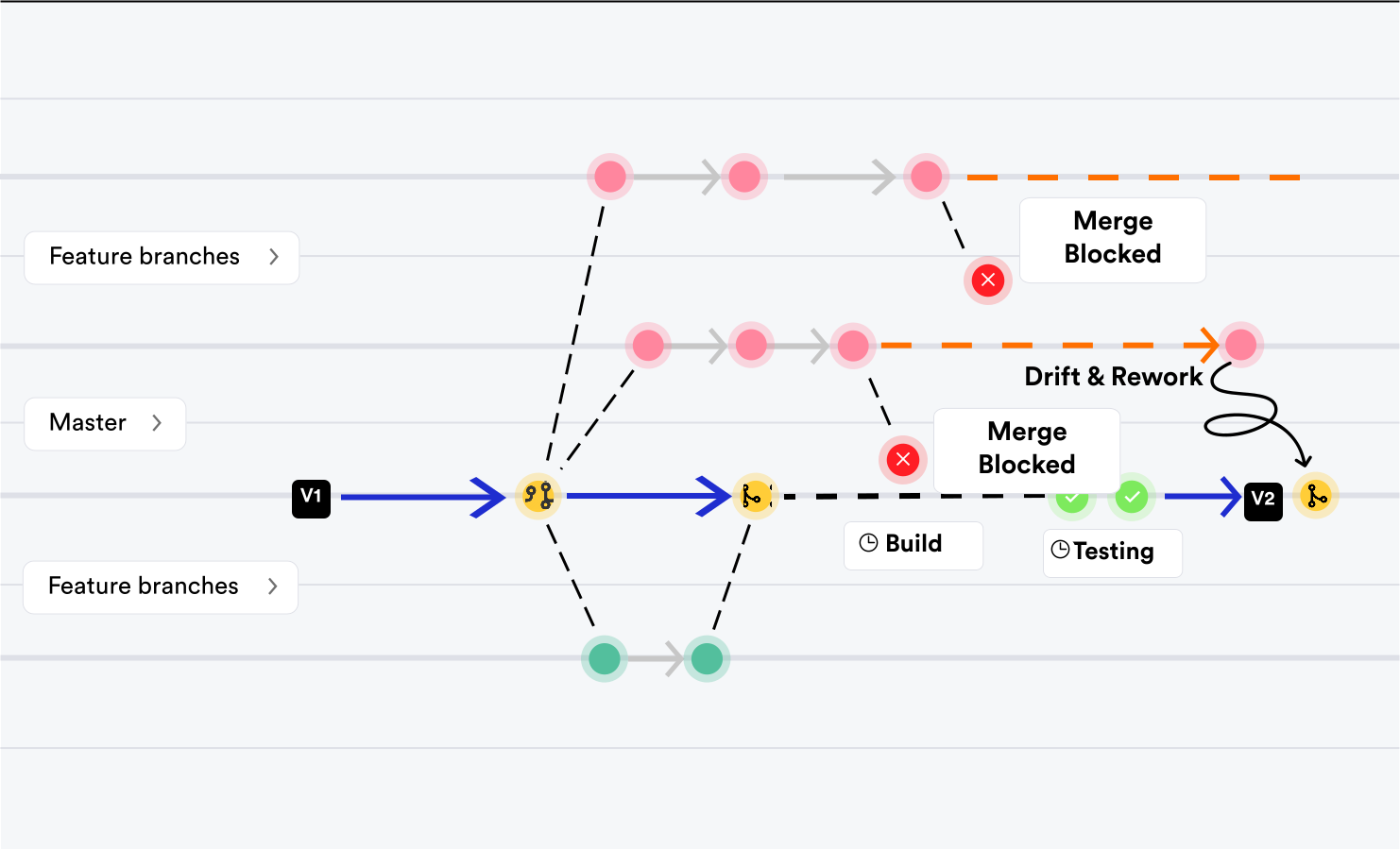
In the rapidly evolving landscape of software development, agility and adaptability are essential. Enter ephemeral environments: an innovative approach that’s revolutionizing how we build, test, and deploy software.
This is a step-by-step tutorial on how to deploy a Docker-Compose-based app on Kubernetes using Bunnyshell, an Environments as a Service platform.
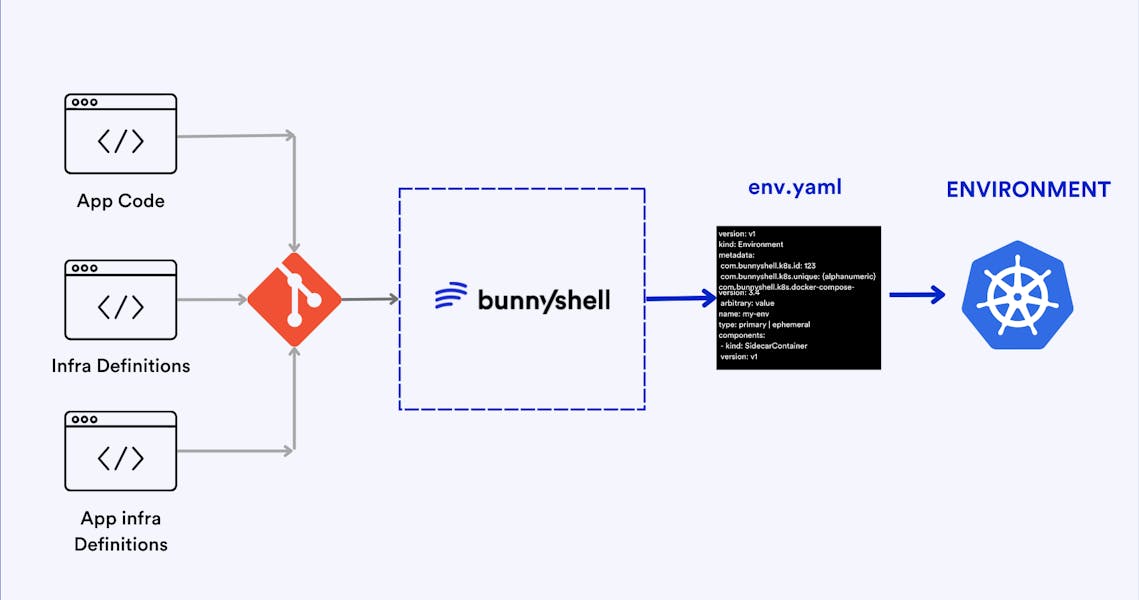
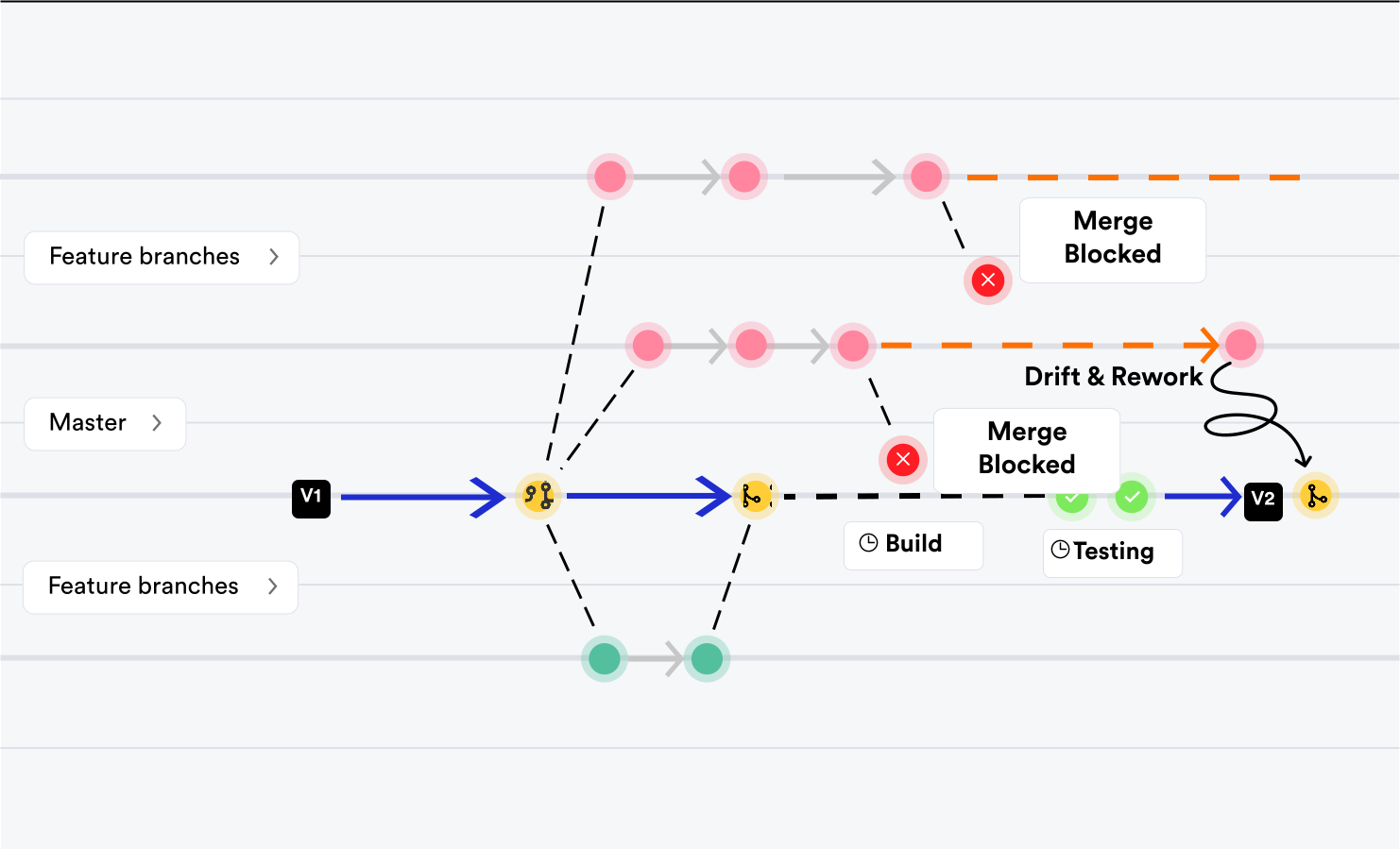
In this article, we’ll see how to use Kubernetes to create ephemeral environments that look like production in a cost-effective way.
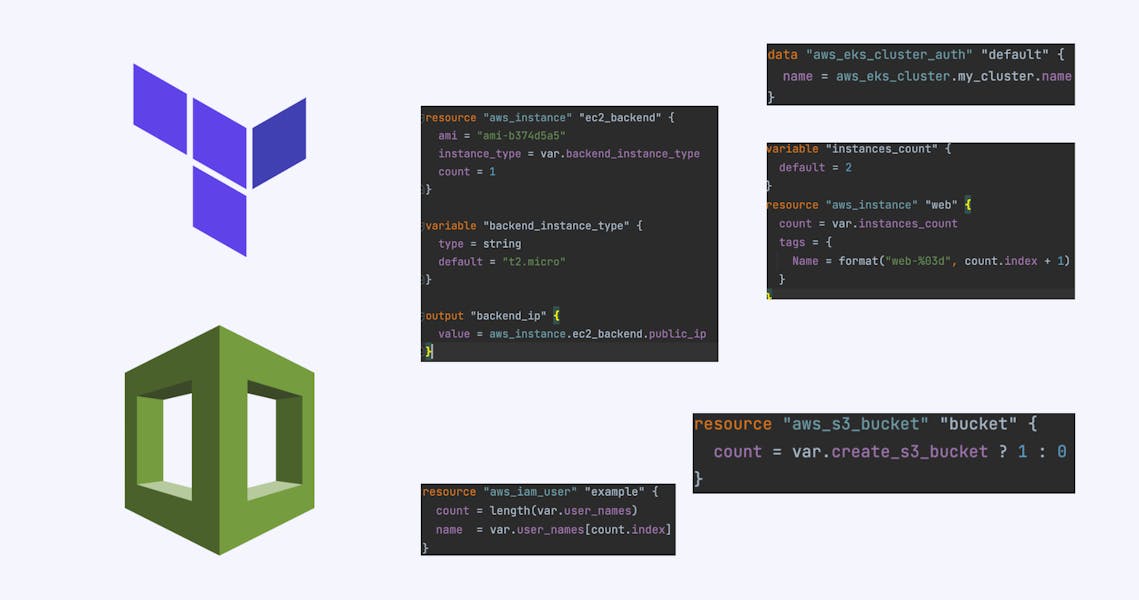
In this article we'll discuss how well Terraform, Pulumi, and CloudFormation are able to implement IaC principles, their pros and cons, including how easy they are to use and extend.
To overcome IAC challenges, make sure you have proper validations, checks, and a well-established process to save you from a lot of issues in production.